



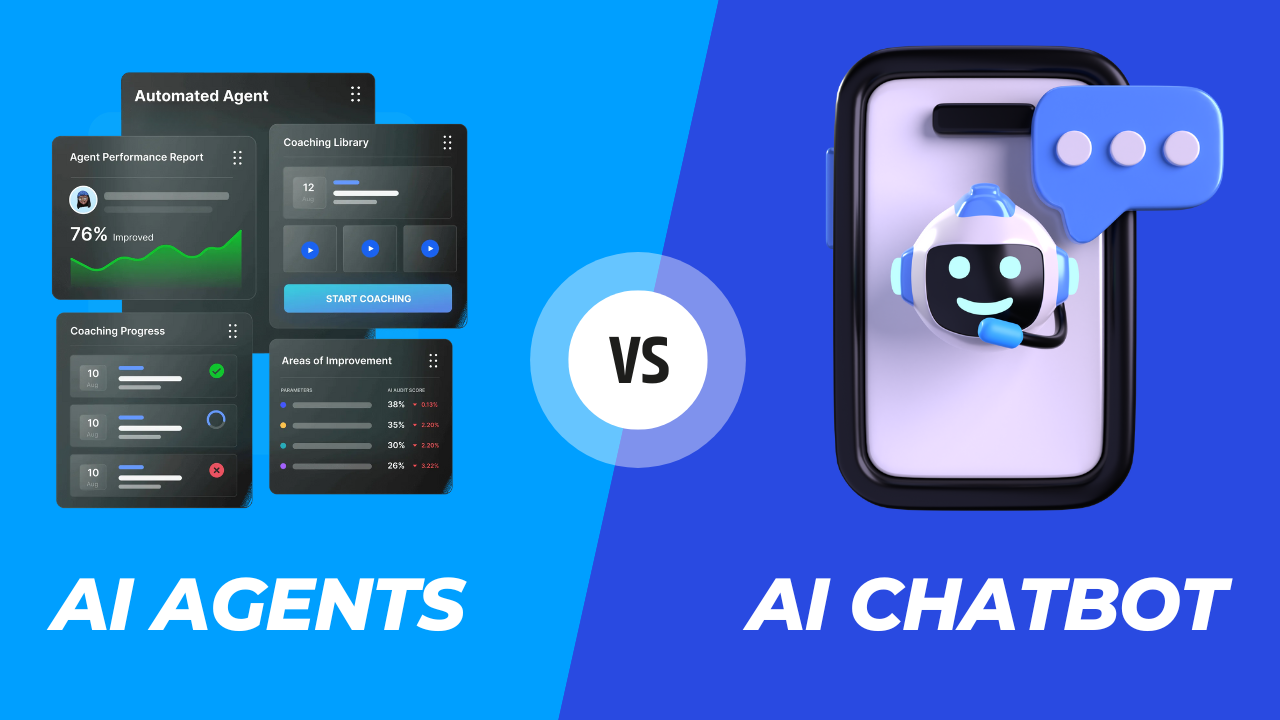
What Makes Financial AI Different from Chatbots
When most people hear “AI,” they think of chatbots — systems that can carry conversations, write poems, or summarize emails. But building AI for financial decision-making is a very different game. At NovoXpert, we’re designing AI to help people make smarter investment choices — and that requires a very different kind of intelligence.
Here’s why.
-
Financial AI must understand risk, not just words
Chatbots are built to process language and predict the next best sentence. That’s great for communication, but not for managing your money. Financial AI must understand complex relationships between risk, return, time, volatility, and uncertainty.
At NovoXpert, we design models that don’t just guess what will happen — they evaluate how risky that outcome is. That’s a critical difference. Real-world investing is never just about being right. It’s about being prepared for what might go wrong.
-
Financial AI needs structure, constraints, and accountability
Most chatbots are trained on billions of words from the internet and respond freely to open-ended prompts. But finance isn’t an open playground — it has strict rules, measurable goals, and clear costs when something fails.
That’s why our models are built with:
- Hard constraints (e.g., portfolio limits, leverage control)
- Risk metrics (e.g., drawdown, CVaR)
- Continuous evaluation (not just pass/fail answers)
In other words, our AI doesn’t just talk — it takes responsibility for decisions.
-
Explainability is not optional in financial AI
If a chatbot gives you a bad restaurant recommendation, no big deal. But if an AI suggests a bad investment, it needs to explain why it made that choice.
That’s why explainability is core to NovoXpert’s design. We’re building a system where users — whether they’re retail investors or professional portfolio managers — can:
- See what inputs influenced a decision
- Understand which expert modules contributed to a result
- Ask “what if?” questions and get smart answers through LLM-powered feedback
We believe that financial AI should be a partner, not a black box.
-
Financial AI has a long memory and real-world impact
Unlike chatbots that live in short conversations, financial AI systems must track long-term patterns, adjust to changing regimes, and handle real-time data across multiple markets.
They don’t just answer questions — they drive decisions that move money, sometimes in large amounts. That means accuracy isn’t enough — our AI must also be:
- Reliable over time
- Adaptable to change
- Calibrated to market dynamics
-
It’s not about replacing humans — it’s about amplifying them
We’re not building a system to replace advisors or traders. We’re building a tool to make them more informed, more adaptive, and more precise.
That’s the real difference: financial AI is not a chatbot clone. It’s a decision-making partner — one that understands math, risk, logic, and human goals.
Final Thoughts
Chatbots might be flashy, but financial AI is about depth. It’s about structure, responsibility, and real-world consequences. As we build NovoXpert, we’re focused on creating a system that’s intelligent in a different way — not conversational, but financially aware, risk-sensitive, and explainable.
That’s what separates chat from conviction.
Curious about how NovoXpert is redefining financial intelligence? Reach out to our team or request early access to our upcoming platform